





Biometric security solutions: AI, Privacy & Cybersecurity
Hackers steal billions of identities each year. Biometric security locks them out for good. In the digital age, threats are constant. Passwords fail often. PINs get guessed. Biometric security relies on unique body traits to protect data, changing how we safeguard information.
Experts predict major growth in this field. The global biometric market is expected to hit $113.22 billion by 2032. Companies adopt it fast. Users demand better safety.
This blog covers the basics of biometric security, explains its types and benefits, explores real-world applications, discusses risks, and highlights future trends.
Table of Contents
Biometric security is a system that verifies identities using physical or behavioral traits unique to each person. Fingerprints, faces, voices, and eyes all qualify. Devices scan these traits and match them to stored data. Access is granted only when there is a match.
Traditional methods, such as passwords, weaken over time. People reuse them, and hackers crack them. Biometrics solves this problem by linking identity to the body itself.
Systems store biometric traits as templates rather than raw images. Templates are mathematical representations that add an extra layer of security. Biometric authentication verifies users by checking traits against records, while identification searches databases for matches. Both enhance system security.
Types of Biometric security
Physical Biometrics
- Fingerprints: Scanners read ridge patterns and convert them into digital codes.
- Facial Recognition: Measures distances between eyes, nose, and mouth, then processes these points with algorithms.
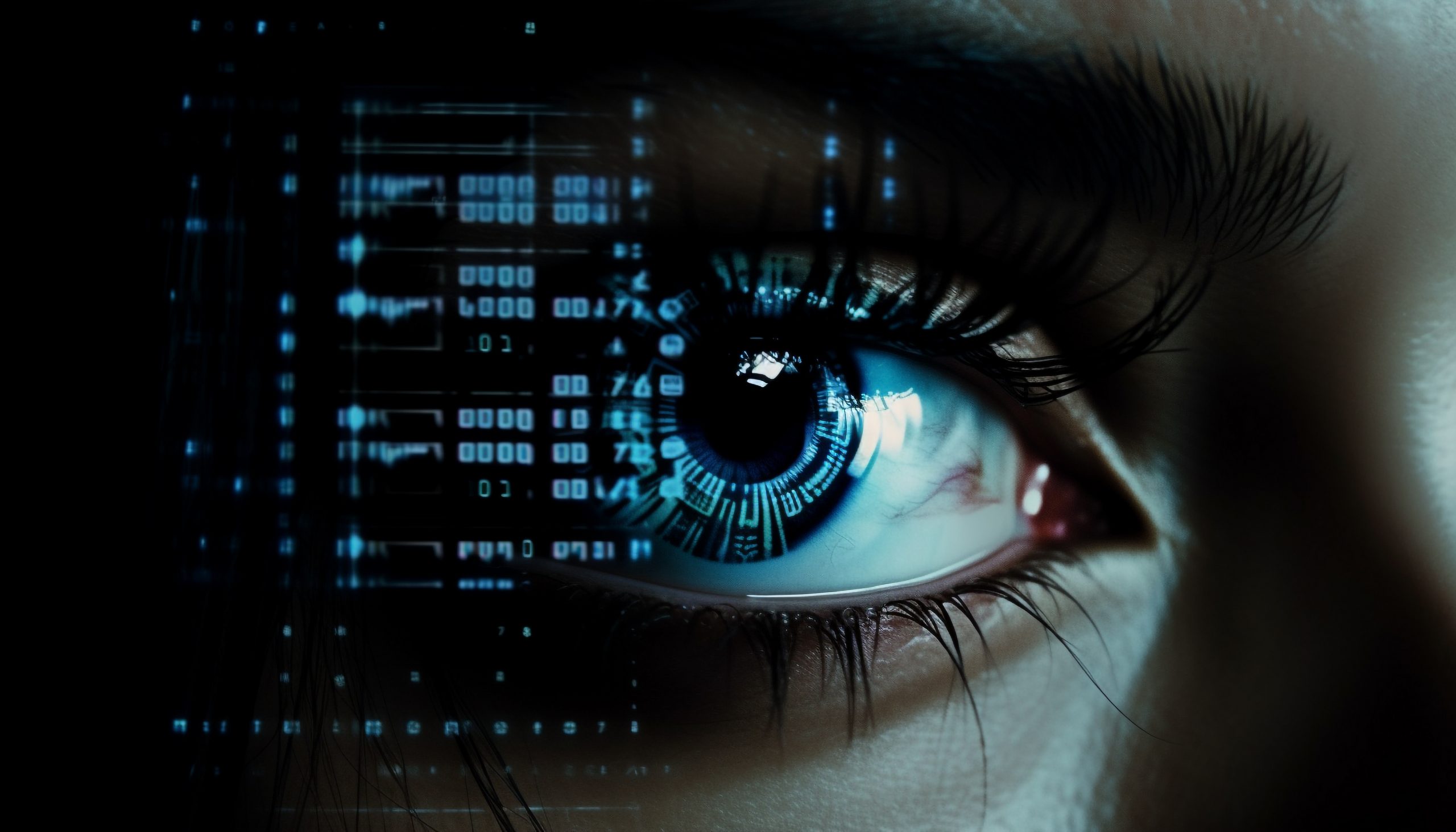
- Iris Scanning: Captures eye patterns, using about 260 points for high accuracy.
- Retinal Scans: Map blood vessels in the eye.
- Vein Recognition: Reads palm or finger vein patterns.
- Hand Geometry: Measures finger lengths and hand widths.
Behavioral Biometrics
- Voice Recognition: Compares speech patterns to stored models.
- Keystroke Dynamics: Tracks typing patterns.
- Gait Analysis: Monitors walking styles.
- Signature Verification: Examines writing pressure and speed.
Advantages of Biometric Security
Biometric systems offer numerous advantages over traditional security methods.
- High Security: Traits are hard to fake. Liveness checks prevent spoofing with photos or masks.
- Convenience: Scans take seconds. No need to remember passwords. Devices unlock quickly.
- Non-transferable: Unlike passwords, biometrics cannot be shared, reducing unauthorized access.
- Low Spoofing Risk: Facial recognition systems reach over 99.5% accuracy.
- Scalability: Cloud-based biometric systems grow with organizational needs.
- Cost Efficiency: Initial investments pay off by preventing breaches.
- Fraud Reduction: Banks use biometrics to cut identity theft, while airports speed up passenger lines.
Applications of Biometric security
Biometric security is now part of everyday life:
Smartphones: Fingerprints and facial recognition unlock devices quickly.
Banking: Voice and facial recognition verify transactions and enhance app security.
Airports: Face scans speed up passenger processing and reduce reliance on travel documents.
Healthcare: Biometric scans control access to patient records, reducing errors and protecting sensitive information.
Enterprise: Companies use biometrics to monitor employee attendance and control access to secure areas.
Home Security: Biometric locks replace traditional keys.
Payments: Fingerprint and facial recognition secure mobile wallets and in-store payments.
Government Services: Voice verification streamlines customer service and access.
Challenges in Biometric Security
Despite its benefits, biometric security has challenges:
- Cost: Implementing biometric systems can require significant investment.
- Data Breaches: Biometric data cannot be changed like passwords, so breaches are critical.
- Privacy Concerns: Biometric data is highly personal, and misuse can violate privacy.
- Bias: Algorithms may misidentify people from certain groups due to training limitations.
- False Matches: Changes in appearance, lighting conditions, or age can affect accuracy.
- Consent: Users must understand how their data is collected and used.
- Function Creep: Data collected for one purpose may be used for another.
- Spoofing Attacks: Sophisticated methods, like AI-generated images or deepfakes, can challenge security.
- Trust Issues: Users may be cautious about sharing biometric data with organizations.
- Regulations: Compliance with local laws is essential to protect users and avoid legal issues.
Trends in Biometric security
Biometric technology continues to evolve:
- AI Integration: Machine learning improves recognition accuracy and adapts to changes in users over time.
- Multimodal Systems: Combining multiple biometric methods increases reliability.
- Touchless Authentication: Iris and facial recognition systems operate without contact, supporting hygiene and convenience.
- Continuous Behavioral Biometrics: Systems monitor typing, gait, or other behaviors continuously for ongoing authentication.
- IoT Integration: More devices in homes and workplaces adopt biometric security.
- Continuous Authentication: Systems detect anomalies during sessions and trigger alerts automatically.
- Blockchain: Secures biometric templates and prevents tampering.
- Quantum-Resistant Encryption: Prepares systems for advanced security threats.
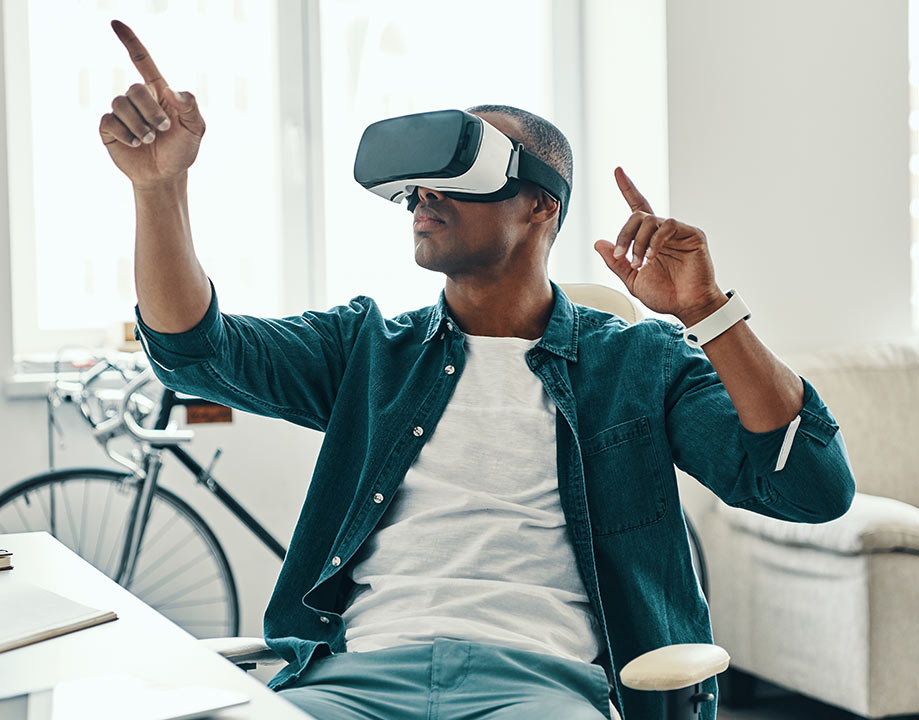
- Virtual Environments: Biometrics secure digital identities in virtual worlds and online platforms.
The combination of AI, multimodal systems, and continuous authentication ensures that biometric security will remain adaptive, reliable, and user-friendly.
Biometric security is reshaping the way we protect our digital lives. By using unique body traits, it provides strong authentication and reduces the risk of fraud. Its applications span smartphones, banking, healthcare, government, enterprise, and connected devices.
Challenges such as privacy, bias, and data security must be addressed. The future promises AI-powered systems, multimodal authentication, and continuous monitoring to make biometric security more seamless and reliable.
Adopting biometric technology wisely, while balancing security and privacy, is crucial to safeguarding the digital world. Biometrics represents a vital step in ensuring that our identities and data remain secure in an increasingly connected environment.
Engage in the conversation on biometric security with Novas Arc. We value your insights, questions, and experiences as we explore the intersection of technology, human identity, and digital transformation. Don’t hesitate to get in touch with us. Let’s collaborate on building a secure digital future. Connect with us — shaping the future of biometric security through IT expertise.

Author