








Ai in industry 4.0: Enhancing human-machine collaboration in 2026
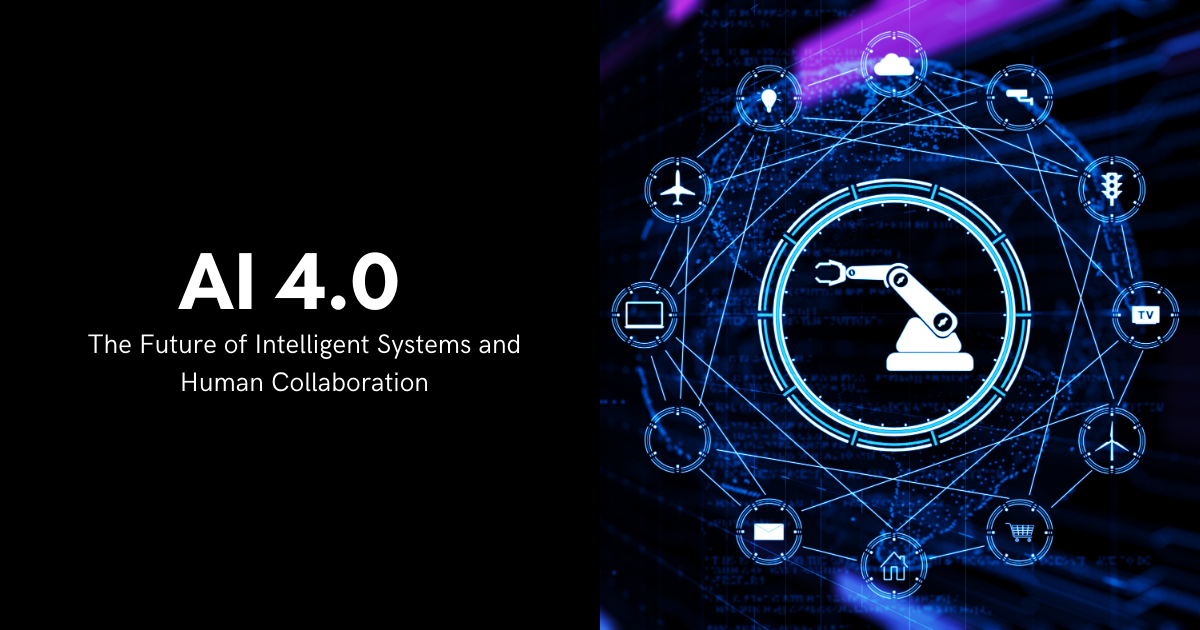
Artificial intelligence (AI) integrated into Industry 4.0—often referred to as AI 4.0—enables machines to process data and support human workers in factories, offices, and research environments. As of 2026, AI systems assist with tasks such as predictive maintenance, real-time decision-making, and workflow optimization, thereby improving precision and efficiency in manufacturing. Workers interact with robots via intuitive interfaces, such as gestures or voice commands, while algorithms analyze data to foresee issues. This shared approach has reduced downtime by up to 50% in adopting facilities, according to industry reports.
Core elements of AI-enabled systems in Industry 4.0
Engineers design responsive systems that adapt to real-time conditions using sensors and edge AI, which processes data locally to minimize latency. Robots perform high-precision tasks, such as assembly or quality inspection, while humans oversee and intervene for nuanced judgments.
AI algorithms in Industry 4.0 analyze production data to learn from cycles, enabling predictive maintenance that reduces unplanned outages. Dashboards visualize live metrics, helping operators spot anomalies early.
Collaborative robots (cobots) work alongside humans, handling repetitive or heavy tasks. Safety features, such as proximity sensors, halt operations when a worker enters the zone. Cobots are trained via demonstration—users show movements, which the system replicates—reducing programming needs. The global cobot market is projected to grow from USD 1.26 billion in 2024 to USD 3.38 billion by 2030.
Quantum computing's emerging role
Quantum computing uses qubits to process multiple states simultaneously, accelerating complex calculations for AI applications such as logistics optimization and materials simulation.
This development ties closely to the relationship between AI and quantum computing, where hybrid systems combine quantum processors for specialized tasks and classical systems for routine operations. Broader factory integration is expected after 2030, given current challenges such as error correction.
To understand its broader impact, readers can explore Quantum computing: how it is transforming our digital world.
Cognitive AI and human augmentation
Cognitive AI systems interpret language and patterns to automate responses, incorporating human input to account for context, such as cultural factors. Explainable AI (XAI) tools reveal decision-making, enabling users to correct and refine models iteratively, thereby fostering trust and accuracy.
This supports a model in which humans handle creativity and oversight, while AI handles data-intensive analysis. This aligns with developments highlighted in cognitive AI and human intelligence.
This approach augments rather than replaces human roles, reflecting 2026 trends across healthcare, engineering, and finance.
Safety in shared workspaces
AI systems prioritize safety by using sensors to detect human proximity and adjust machine speeds. Wearables monitor risks such as vibration or heat and issue alerts. Standards such as ISO/TS 15066 maintain compliance, with cobots’ safety features. Facilities conduct periodic audits and testing to ensure ongoing reliability.
Data management and collaboration
Industry 4.0 environments generate massive data volumes, managed by AI for cleaning, transformation, and analysis on secure cloud platforms. Version control, access rights, and encrypted backups enable cross-team collaboration while maintaining data privacy and governance.
Customization in production
AI enables mass customization by optimizing setups based on demand, materials, and machine capacity. Digital twins and simulations forecast potential outcomes. Supplier networks integrate with AI-driven automation, reducing stock levels by 20–30% in optimized production chains.
Training and workforce development
Workforce development in AI 4.0 emphasizes AI literacy, adaptive learning platforms, and targeted reskilling. Certifications and workshops are common paths for developing in-house expertise. Industry reports that 50% of all employees would need reskilling by 2026.
Ethical considerations in AI deployment
Challenges include:
- Bias in training data
- Algorithmic transparency
- Security risks
- Workforce displacement
Organizations respond through impact reviews, diverse datasets, encryption, and transparent audit logs.
Integration challenges and solutions
Legacy systems demand phased modernization. Many organizations adopt pilot deployments, compatibility assessments, and AI audits to identify upgrade paths. Vendor support simplifies transition and reduces operational disruption.
Measuring success
Dashboards track machine cycle times, error rates, and failure patterns. AI highlights bottlenecks in workflows, and shared KPIs enhance cross-team alignment, improving overall equipment effectiveness (OEE).
Interdisciplinary collaboration
Teams across departments and regions share insights using digital collaboration platforms. AI assists in visualization, simulation, and feedback analysis. Mentorship programs help workers extend capabilities across multiple engineering and data disciplines.
Artificial intelligence and Industry 4.0 continue to reinforce productive human-machine collaboration, improving quality, throughput, and safety. As edge AI, cobots, hybrid quantum systems, and cognitive decision support advance, industries gain better tools for competitive improvement, though technological maturity varies by sector
FAQs
Q1. What is AI in Industry 4.0?
AI in Industry 4.0 integrates machine learning, IoT, and automation to enable real-time collaboration, decision support, and increased production efficiency.
Q2. How does it differ from earlier stages?
Industry 3.0 focused on automated machines; Industry 4.0 introduces smart, predictive, connected systems with AI and real-time data processing.
Q3. Why is quantum computing relevant?
It accelerates simulations and complex calculations, with industrial pilots emerging in logistics, optimization, and advanced modeling.
Q4. What are the ethical challenges?
Privacy, algorithmic bias, cybersecurity risks, transparency, and workforce shifts. Oversight bodies and regulation frameworks help address these.
Q5. How will it impact jobs and businesses?
It improves efficiency and quality while shifting roles toward oversight and creativity. Reskilling is essential, with millions of future jobs requiring new capabilities.

Author